

Production-ready Apps in Minutes
Is low code replacing developers?
Are low code solutions secure?
Can I build complex apps with low code?
What’s next for low code?
Can simplicity truly replace the depth of traditional coding? This blog shows how low code trends are changing the way apps are built, from complex coding to quick, user-friendly creation. We’ll look at what’s driving this shift, who benefits most, and where the future of app development is headed.
There was a time when building an app meant assembling a full tech team, long hours of coding, and countless coffee runs.
Things look very different today.
A single platform and a few clicks can now handle what once took weeks of effort.
But can simplicity replace the depth of traditional coding?
This shift has sparked new conversations around low-code trends as we ask how far they can go, who truly benefits, and what’s just marketing talk. Stick around as we sort through the buzz and see what’s really shaping the way apps are built today.
Let’s be honest IT teams used to guard code like it was a national secret. Now, thanks to low code platforms, non technical users and business teams are building apps faster than you can say “deployment pipeline.”
Here’s what’s cooking:
Low code platforms with drag and drop features make application development feel like using Canva for coding.
Citizen developers can create apps that automate business processes while professional developers sip their third coffee of the morning.
Citizen development programs are becoming a thing where business users get to build under IT’s not-so-watchful eyes.
And the best part? IT pretends it’s all part of the “strategy.” Deep down, they’re thinking: “Did Bob from accounting just push to production?”
AI has officially joined the low-code development party. Now, low-code tools don’t just help you build apps; they help you think like a developer without being one.
What’s new:
Many low code platforms have AI-powered assistants that write logic for you.
They plug in machine learning features so your apps can analyze data and make predictions.
Testing, deployment, updates all automated. Because who doesn’t love skipping the boring parts?
This combo gives low code apps an edge in digital transformation. Software developers might roll their eyes, but secretly, they love how AI cuts the traditional coding overhead.
Remember when big companies said low code was “for side projects”? Yeah, not anymore. The global low code market is booming and even the most serious enterprises are joining in.
What changed:
Low code platforms now handle mission critical applications.
They connect to legacy systems, handle data security with data encryption, and integrate like champs.
Low code development platforms now support version control, governance, and scalable architecture.
In short: it’s not just playtime anymore. Many organizations are realizing that low code adoption saves time, money, and arguments with IT.
We live in a world where everyone wants an app, web, mobile, desktop, smartwatch, fridge... okay, maybe not fridge (yet). Low code platforms make app development across channels ridiculously easy.
Why it matters:
One app build can now go everywhere web, mobile, cloud.
Low code platforms reduce development costs and deliver a faster time to market.
Businesses can update things instantly without begging IT.
It’s like cloning your app for every platform, except this time, it’s actually legal.
No one wants another isolated app. The new low code solutions know that if they don’t connect with existing systems, they’re dead on arrival.
So they got smarter:
They come loaded with pre-built connectors and APIs.
You can tie internal tools to CRMs, analytics, and digital technologies in minutes.
Low code projects now manage sensitive data like pros.
The outcome? Business applications that talk to each other and make digital transformation initiatives actually… work.
When low code adoption first blew up, developers panicked. “Will low code platforms take my job?” Spoiler: they didn’t. They made IT cooler.
What’s happening now:
IT teams define rules while citizen developers do the heavy lifting.
Skilled developers focus on APIs, architecture, and custom coding.
Everyone gets credit, nobody burns out.
This teamwork vibe is giving application development the glow-up it deserved years ago.
Let’s throw some numbers. The low code market is expected to hit $264 billion by 2032. Not bad for a “temporary trend.”
Why investors love it:
Low code platforms are cheaper than hiring a full dev team.
Low code development shortens the development process.
It helps businesses accelerate digital transformation without needing a hundred engineers.
So yeah, low code is not going anywhere. In fact, it’s probably hiring.
If you think all low code platforms are the same, think again. Now there are platforms just for healthcare, finance, or retail.
Why it’s cool:
They come with built-in rules, compliance, and templates.
You don’t start from scratch every time.
It’s low code development made industry-smart.
Think of it like Netflix genres except here, every category makes you money.
Even creators are noticing how fast low-code tools are changing the game. Josh Noreen recently shared on X how the shift toward no-code and low-code is empowering people to build smarter and faster than ever.
Let’s face it, nothing’s perfect. Even low code platforms come with fine print.
Here’s the catch:
Vendor lock-in is real.
Without governance, business users can create a monster.
Data security and compliance still need real IT brains.
If you’re not careful, your low code solution can turn into a traditional development headache. Keep your formal IT departments involved it’s cheaper than a disaster recovery meeting later.
Let’s be real. The future of low code is like that overachiever in your class flashy, confident, and mostly right.
Here’s what’s next:
No code platforms will merge with low code platforms for hybrid magic.
AI will take over more development process tasks.
Businesses will build custom applications faster and leaner.
And yes, low code digital transformation is officially a buzzword that actually delivers something.
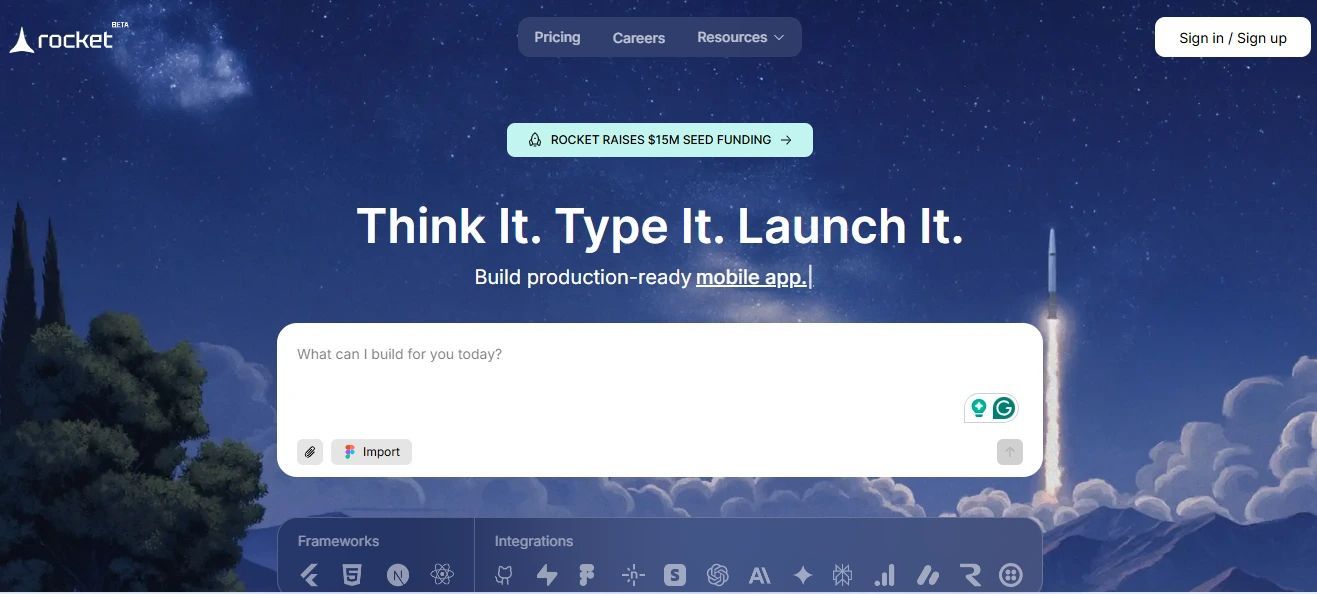
If this got you thinking “I should probably try this stuff,” check out Rocket.new . It lets you build any app with simple prompts no code required.
Perfect for business users who want to get things done and IT teams who love pretending they’re still in control.
So, what’s the verdict? These low code trends aren’t hype anymore. They’re how the new digital world runs. Low code platforms are bridging the gap between business teams and tech, making digital transformation faster, smoother, and dare I say actually fun.
Whether you’re coding or clicking, the future of software belongs to those who can adapt fast. And low code development is making sure everyone gets a seat at that table.