

Build 10x products in minutes by chatting with AI - beyond just a prototype.
Topics
Do AI app builders replace developers?
Can AI app builders handle backend logic?
Are free plans enough?
Is coding knowledge required?
Can you build an app in 2026 without touching code?
Yes, and it is easier than most people think.
The Best AI App Builders now let anyone create a working product with simple natural-language instructions. No coding required.
The demand is real. According to Statista , global low-code and no-code development technologies are expected to reach over $65 billion in revenue by 2027.
That growth is powered by the rise of the AI app builder. These tools turn ideas into AI app experiences in minutes.
Let’s break down the best options, what makes them different, and which one might fit your next big app idea.
So what changed?
The modern AI app builder now blends natural language prompts , smart AI tools, and a built-in AI assistant into a single, seamless system. Instead of writing syntax, users simply describe features. The platform can generate code, design the user interface, and set up backend logic in minutes.
That shift changed app creation completely. It is no longer limited to developers with deep coding knowledge. Non-technical users can now build a polished AI app without stress. Traditional app development once required full-stack app development skills.
Today, many app builders handle hosting, databases, and authentication automatically. Some even produce clean React code with editable code access.
The real shift in 2026 is control. Users can access the underlying code, use code export, and manage version control. These are not toy tools anymore. They are serious coding platform options. And no code does not mean weak. Many platforms now support complex apps with advanced logic and built-in API keys.
Choosing the right AI app builder can feel like picking a gym. All of them promise results. Not all of them actually deliver. The best AI app builder stands out for balancing simplicity with real power.
Not all app builders are equal.
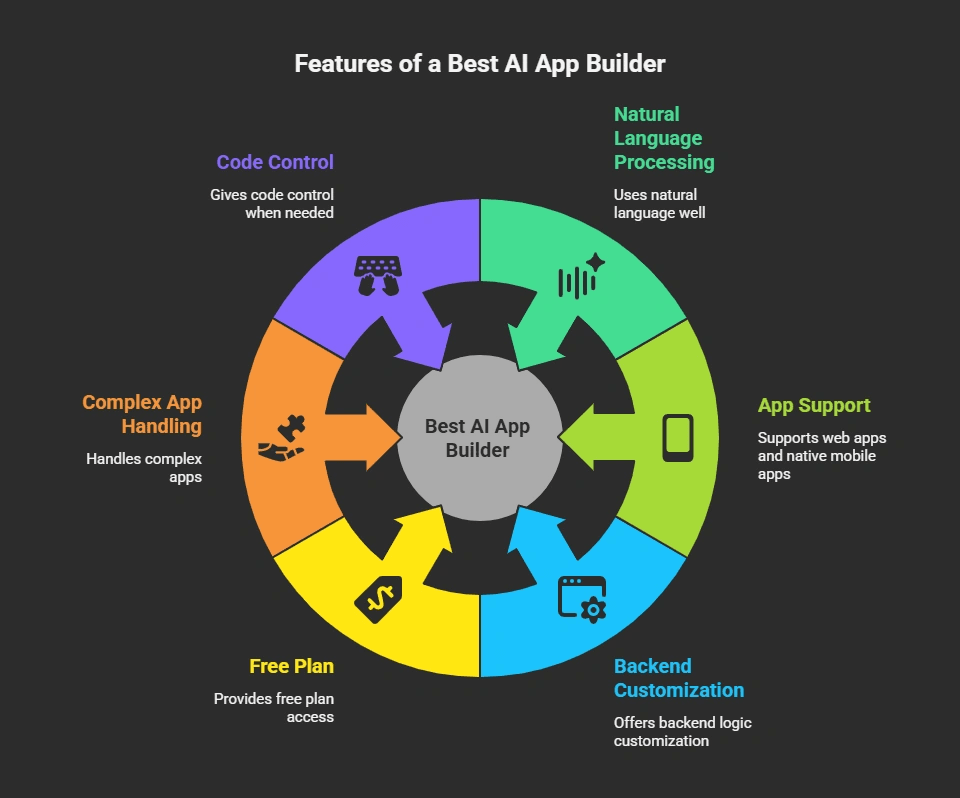
Some tools focus on internal tools and internal apps for companies. Others aim at public-facing web apps for app stores.
Also, watch the pricing. Many start with a free plan or even a free hobby plan. Paid plans unlock more AI features, better hosting, and advanced support.
Let’s compare a few categories.
These app builders are made for no-code creators. They rely heavily on natural-language and AI prompts.
Users describe the app idea, and the AI app generator builds a functional app.
Great for:
Limitations? Some struggle with complex logic or full stack app setups.
A low-code builder sits between no-code and full coding.
Users get visual workflows, data models, and options to write code when needed. This works well for complex apps or enterprise apps.
Some tools allow AI-assisted coding with code snippets inserted automatically.
This approach fits people with some coding knowledge but not enough time to build everything from scratch.
These platforms serve as AI agent builders. They use AI tools and a built-in AI assistant to manage app building from idea to deployment.
Users describe the entire app in natural language. The AI builder handles frontend and backend logic, configuration files, and hosting.
Some even connect with Google Sheets and sync automatically with real user data. Now let’s look at a few well-known platforms shaping the space.
The AI app builder space is packed in 2026. Some tools focus on speed. Others focus on flexibility. A few try to do both. The table below gives a quick snapshot before getting into the details.
| Platform | Code Access | Ideal Use Case |
|---|---|---|
| Rocket.new | Yes | SaaS products,MVPs, Mobile Apps, Dashboards |
| Bubble | Limited | Marketplaces |
| Microsoft Power Apps | Partial | Enterprise internal apps |
| Glide | No | Quick mobile tools |
This comparison highlights how each AI app builder differs in flexibility, code control, and target users.
Now, let’s break them down individually.
Rocket.new stands out among AI-powered app builders in 2026. It focuses on full-stack app development with strong AI features.
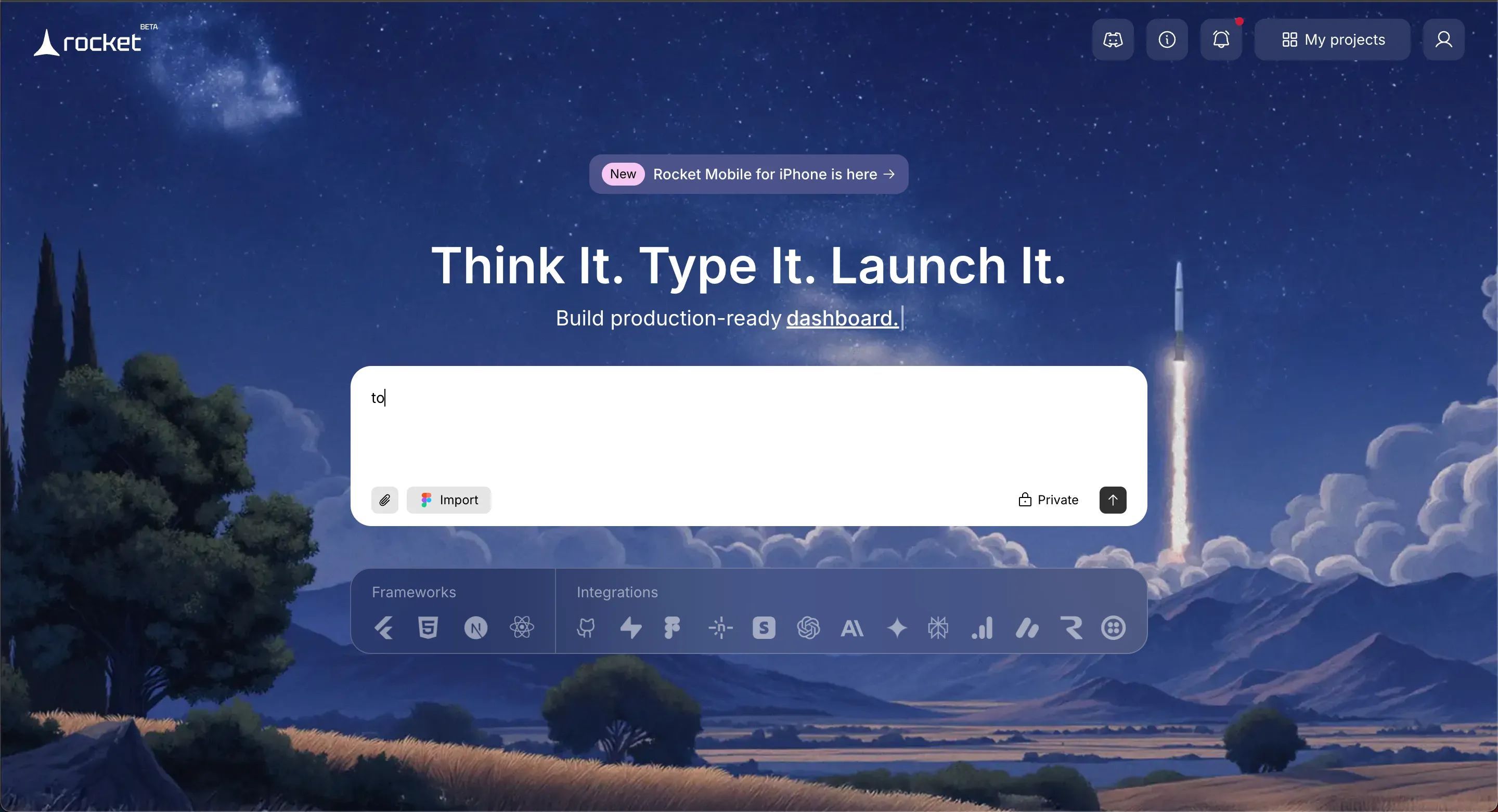
Rocket.new connects directly to the idea of building apps with just your words. Users describe what they want in natural language. The system creates generated apps with frontend and backend logic included.
Rocket.new allows users to see the underlying code and even modify it. That gives serious code control.
SaaS Tools: Create a fully functional app product with login, database, and payment setup.
Internal Tools: Build dashboards that connect with real user data and sync automatically.
AI Based Web Apps: Launch a best AI app with custom workflows, api keys, and backend logic.
Rocket.new offers a free hobby plan for small projects. Paid plans unlock more ai features, deployment options, and scaling support.
Rocket.new fits builders who want speed without giving up control. It balances no-code simplicity with serious full-stack app power. For teams building a best ai app that may scale, this platform offers flexibility and depth.
Bubble is one of the most popular no-code web app builders. It lets users create web apps visually, without writing code, while still giving advanced options for complex logic. It’s been around for a while and has a strong community backing.
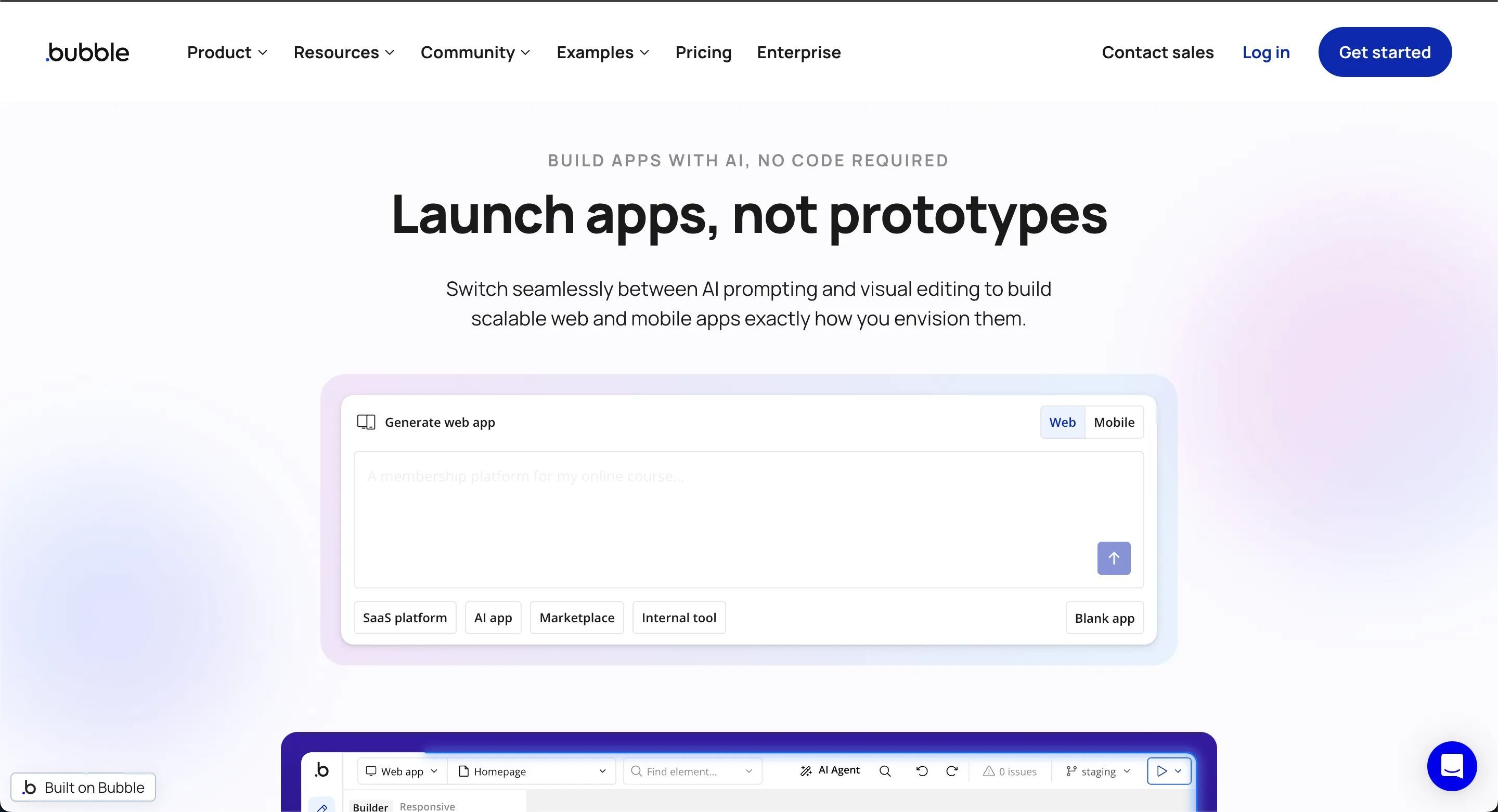
Bubble works well for creators who want marketplaces, SaaS products, or other public-facing web apps without diving into full-stack code.
Bubble offers a free plan to test ideas. Paid plans scale based on app usage, storage, and additional features such as custom domains and collaboration tools.
Bubble is ideal for those who want robust web apps without coding but are ready to invest some time learning the platform. For building marketplaces or SaaS tools quickly, it’s still one of the top ai app builders in 2026.
Microsoft Power Apps is designed mainly for business users. It focuses on internal tools and structured app development inside the Microsoft ecosystem.
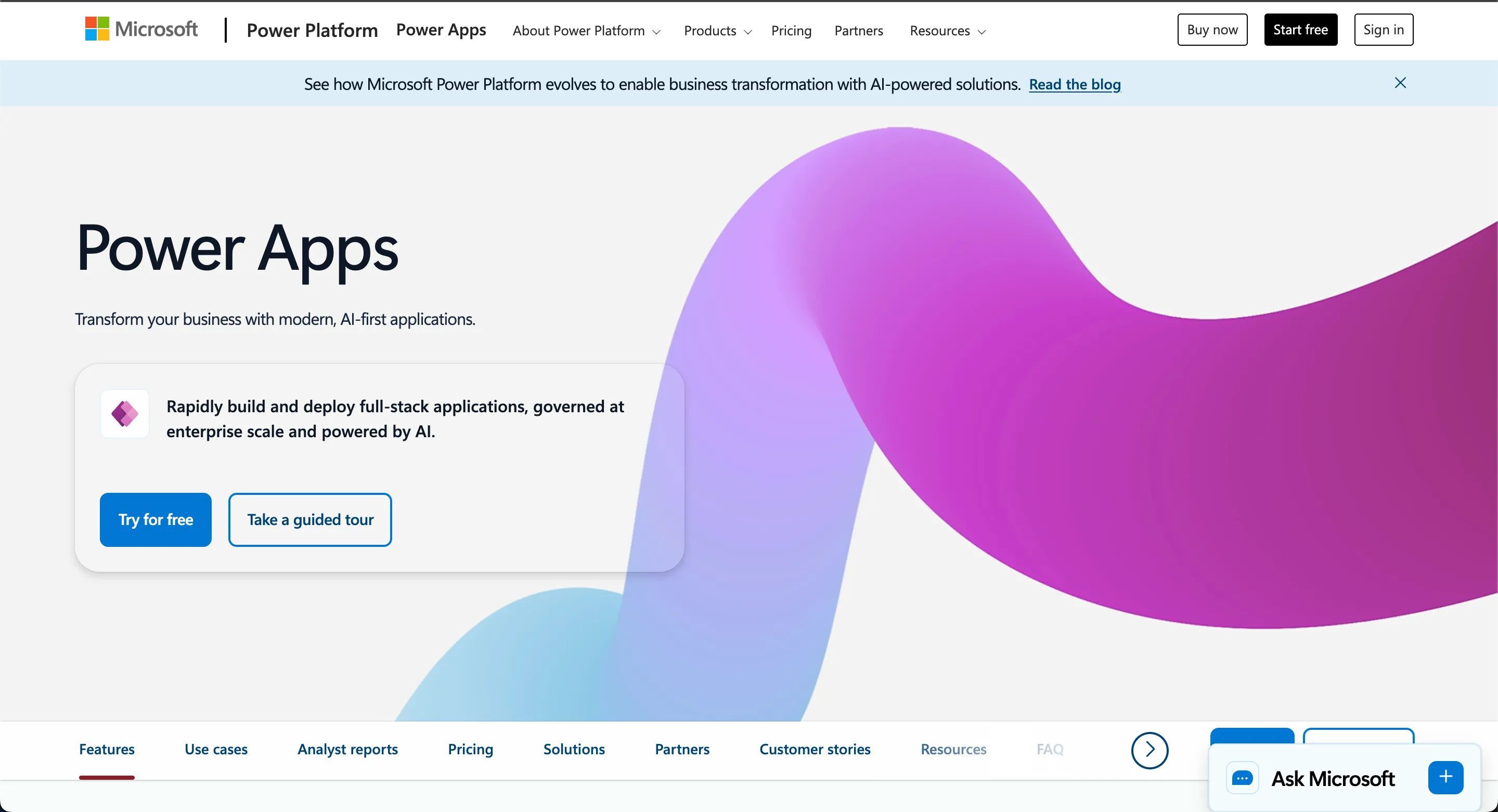
It works best for companies that already use Microsoft services and want internal apps tied to their own infrastructure.
Microsoft Power Apps offers a free plan for limited use. Paid plans scale per user and include more advanced features.
Microsoft Power Apps works best inside business environments. It is ideal for structured internal tools where security and stability matter more than flashy design. Companies already using Microsoft products will feel comfortable here.
Glide is simple and direct. It turns Google Sheets into web apps with very little setup. It is perfect for quick app creation without deep backend logic. Great for small tools and quick launches.
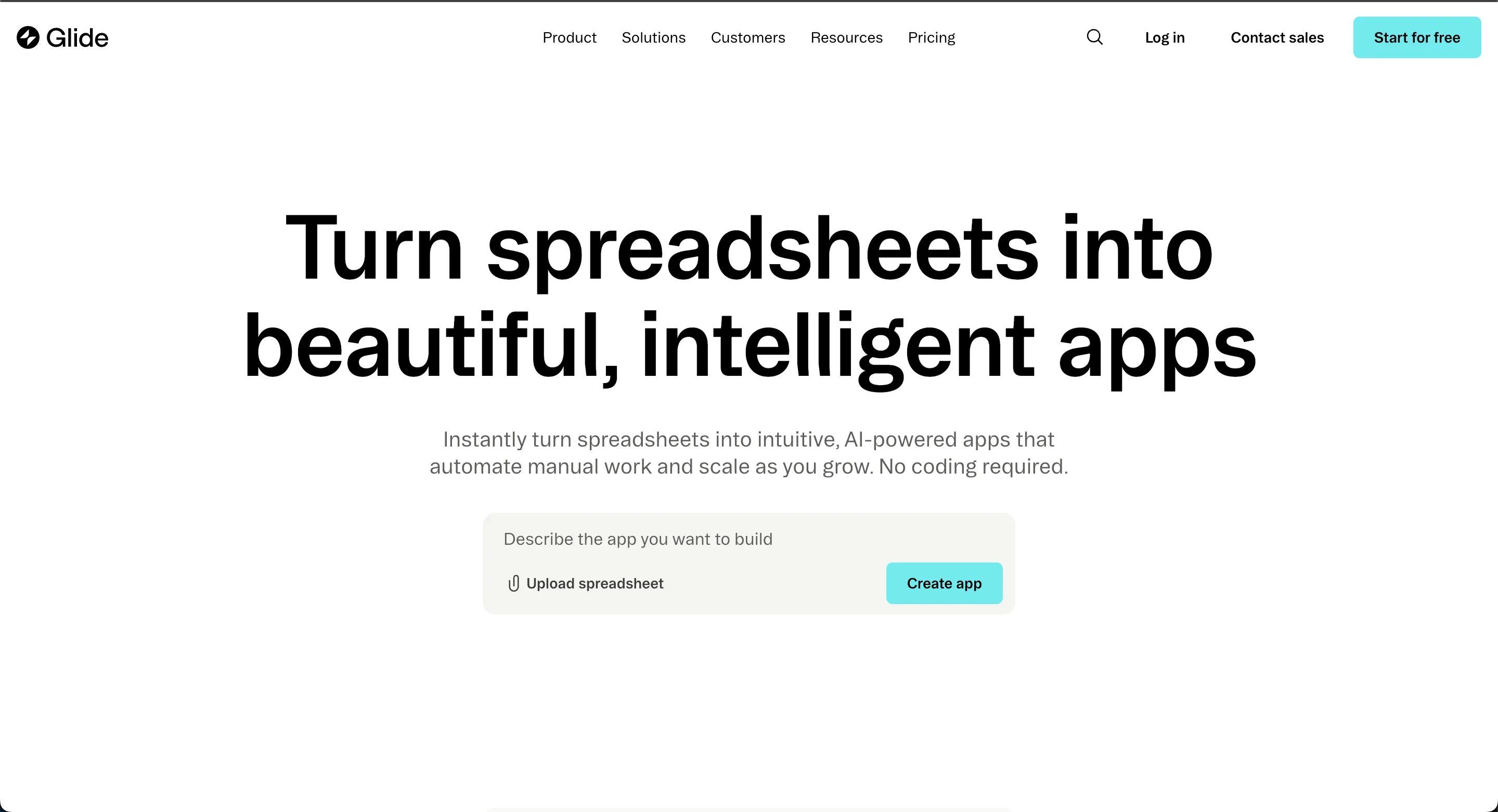
Glide offers a free plan for small projects. Paid plans provide custom domains, more storage, and advanced features.
Glide keeps things simple and practical. It is perfect for quick projects, internal dashboards, and lightweight web apps. If the goal is to create an app quickly without technical setup, Glide gets the job done.
Turning an idea into a working product used to take weeks. Now, an AI app builder can move from concept to screen in minutes. The process is surprisingly simple.
So how does app building actually work?
In minutes, a functioning app appears. Some platforms allow users to write code manually for advanced features. Others focus fully on no code.
For those with limited coding knowledge, these coding platform tools remove friction. For developers, they speed up full stack app creation.
Yes, but choose wisely.
Modern coding platform systems support complex apps with layered backend logic. They can generate code and handle config files.
Still, not all app builders are equal. Some are better for simple web apps. Others manage full stack app setups with authentication and database logic.
If planning to publish in app stores, check if native mobile apps are supported. Not every AI app builder does that well.
One developer shared hands‑on experience with Rocket. News ’ workflow:
“It was interesting that it immediately suggested backend setup and API integration, but tokens got used quickly. Lots of potential, still some rough edges.” Reddit
This kind of real user feedback shows both what’s possible and what to watch out for when building apps with Rocket.new.
App creation in 2026 is being shaped by AI tools and natural language systems. Platforms now blend no-code with AI-assisted coding, making app building faster and more accessible.
Some coding platform options even let users deploy apps on their own infrastructure. This gives more control and flexibility while still keeping development simple.
The big change is that building apps no longer needs heavy coding knowledge. What matters most now is clearly describing the features you want and maybe being a bit patient while AI prompts get it just right.
App development used to require deep coding knowledge, a lot of time, and a large budget. Complex apps were often out of reach for most people.
The Best AI App Builders let anyone build apps using natural language. They create functional apps quickly. Many offer free plans, paid plans for scaling, and full-stack app support.
Choosing the right AI app builder depends on your goals. For internal tools, Microsoft Power Apps works well. For fast SaaS products, Rocket.new stands out. For sheet-based tools, Glide is perfect. The main shift is clear: building apps is no longer just for developers. With the right platform, all the apps in your head can become working software.